)
-
Competence is one of the most talked-about topics in fire safety today - but what does it actually look like in practice? While frameworks and regulations continue to evolve, many organisations are still working out how to demonstrate competence beyond qualifications and compliance alone. Increasingly, attention is turning to the role of behaviour within competence frameworks, and how this influences real-world outcomes.
This raises important questions: what role do client organisations play in defining and demanding competence? And how do we strike the right balance in the “fire safety equation” between skills, knowledge, experience, and behaviour?
This session brings together perspectives from across fire safety delivery, systems, and technology to explore how competence is applied, evidenced, and maintained in real-world environments. Covering installation and maintenance, digital systems, oversight, and the accountability of providers, the panel will share practical insight into what “good” looks like on the ground, and where organisations are getting it right, and wrong.
-
An exploration of the complex landscape of UK domestic fire safety regulations, legislation, and best practice. Covers the UK's nations, accounting for variations in housing tenure and property types, and outlines recommended fire detection and alarm systems, including the appropriate grades and categories for each scenario.
-
Fire drills haven’t fundamentally changed in decades. Organisations still rely on clipboards, manual headcounts, and paper sign-in sheets – methods that are unreliable, legally insufficient, and dangerously slow when seconds count.
In this session, Professor Graham Shapiro introduces and live demos Reggie® Fire Drill – the world’s first GPS-powered fire drill app and platform. Patent pending and endorsed by Phil Garrigan OBE KFSM, Chairman of the National Fire Chiefs Council, Reggie® uses smartphone GPS and geofencing technology to automatically verify that every individual has evacuated to their designated assembly point – no hardware, no badge-tapping, no guesswork.
Already deployed with sites for Bentley, McLaren, Rolls Royce, and Bugatti, Reggie® is replacing outdated manual processes with real-time digital accountability. Graham will walk you through the app live, explore the compliance gaps traditional methods leave dangerously exposed, and show why GPS-verified fire drill intelligence is setting a new standard for duty of care.
Whether you manage a single site or a national portfolio – this changes everything.
-
Hannah Mansell, Chartered Building Engineer, presents a structured introduction to the Green Book, setting out how its system based approach clarifies performance, responsibilities and compliance across the fire door supply chain.






-
This seminar highlights the critical importance of compliance within the fire industry, where adherence to regulations and standards is fundamental to protecting lives, property, and reputations.

-
UKTC's Head of Testing, Daniel Fitzsimmons will deliver live commentary of a fire resistance test. The doorset test will provide a real insight of the operations of a fire resistance laboratory.
-
Fire doors, door hardware and intumescent seals are critical components in fire safety; designed to prevent the spread of fire and smoke, saving lives and protecting property. This session explores their essential role in passive fire protection.
The session will cover:
-
Hard facts concerning deaths, injuries and property damage caused by fire and smoke
-
Fire testing in the UK and the applicable fire and smoke leakage standards
-
How ironmongery affects fire doors and the vital role of intumescent protection
-
Understanding intumescent seals for doors and the importance of third party certification
-
Practical product solutions
-
-
A panel compromising technical expertise and industry experience will discuss the demand, desire and driver behind third-party certification in the passive fire industry, and how in particular this is accommodated in the UK, European and Global Markets. We will discuss how this affects manufacturers, specifiers and end users, and the challenges associated with market attitudes and behaviours.Chairperson




-
Keith Todd, who is a member of both the FIA Fire Engineering Council and the Fire Risk Assessment Council, will be discussing how buildings can go wrong from a fire safety perspective. He will be explaining and using some of his experiences gained from identifying and remedying failures, to help delegates avoid some of the common pitfalls that result in poor fire safety of the built environment.

-
With the Residential Personal Emergency Evacuation Plans (RPEEPs) regulations coming into force in April 2026, responsible persons must identify residents needing assistance, conduct person-centred fire-risk assessments (PCFRAs) and implement measures to facilitate evacuation.
This session will explore practical ways to gather and maintain resident data, link it to building information, perform PCFRAs efficiently and communicate evacuation strategies. It will discuss the challenges of keeping data current, sharing relevant information with fire services and balancing compliance with resident privacy.
-
Damien Ward, Technical Director of Checkmate, brings the ASFP Green Book to life through practical case studies that reveal how different approaches to remediation, surveying and decision‑making play out in complex existing buildings.


-
Follow a product's journey towards achieving a reaction to fire BS EN 13501-1 classification. Learn how to read and understand a products classification directly from the team that run the UKTC reaction to fire laboratory.
-
This session provides a clear, practical introduction to firestopping for service penetrations, focusing on the core principles that underpin effective passive fire protection.
It will explore the concept of fire compartmentation, how intumescent materials function, and the importance of test evidence and certification in demonstrating performance. Attendees will gain an understanding of key fire resistance criteria, including integrity and insulation, and how these apply in real-world scenarios.
The session will also highlight common installation challenges, supported by examples of both good and poor applications, and provide guidance on the key factors to consider when selecting appropriate firestopping solutions.
Designed for those involved in design, specification, and installation, this session aims to support improved understanding and more informed decision-making across project teams.
-
This presentation provides an overview of the latest updates to BS 5266-1, the Code of Practice for Emergency Lighting. It outlines key changes affecting system design, installation, testing, and maintenance, with a focus on improving reliability, compliance, and occupant safety in emergency situations. Attendees will gain clarity on revised requirements, practical implications for fire safety professionals


-
PartB discusses the pressures and problems facing fire safety management in the built environment. We’ll be talking about the need for a holistic, specialist solution to ensure fire safety compliance is met, and our fire testing team will showcase their unique service and discuss the ways we are breaking the mould when it comes to approach and service offering.


-
This session will explore how enforcement works in practice within fire safety, with a focus on prosecutions, responsibility, and personal liability. It will provide a high-level look at how individuals and organisations can be held accountable, and what this means for those working in the sector today.

-
In an era where lithium-ion batteries power everything from our phones to our cars, a pressing question is emerging: Are we doing enough to manage the risks that come with them?
Lithium-ion battery fires have unique attributes and are not like other types of fire, therefore education and awareness are key; as is assessing the fire risk they present to your organisation, having an action plan in place to mitigate the risk, and being able to manage the fire event should the worst happen. This session will delve into the challenges associated with Lithium-ion battery fires and you will gain valuable insights into why they happen and how to prevent, or should the worst happen, contain them. -
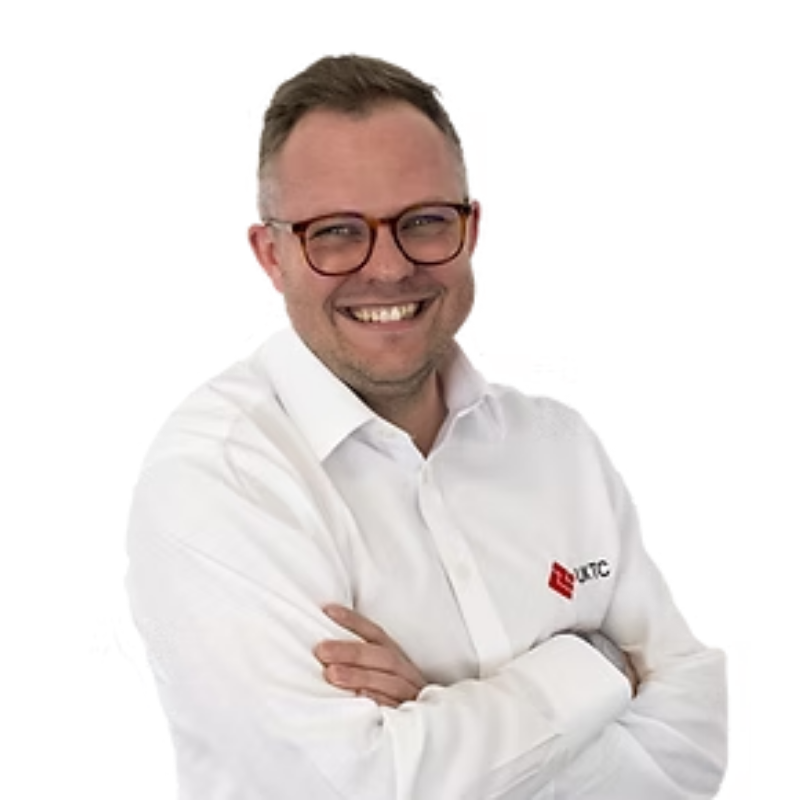
Tom will take you through the process of developing an Extended Field of Application report and the benefits of starting the process early ahead of the 2029 regulatory changes.
-
An introduction to the ASFP Clear Book’s system‑level approach to fire‑resisting glazing, clarifying how components, interfaces and evidence come together to support compliant design, specification and installation
-
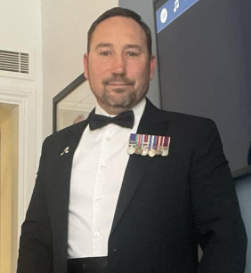
Fire safety isn't just about compliance, it's about confidence. When duty holders select fire risk assessors, how do they know they're getting genuine expertise? How can organizations ensure their assessments are thorough, defensible, and future proof?
Enter BS8674: the competence framework that's transforming how the industry evaluates fire safety expertise.
In this presentation, we reveal:
🔍 The Framework Decoded – Understand the core components of BS8674 and why it matters for your organization
✅ The Competence Advantage – How this framework empowers you to select truly qualified assessors and eliminate guesswork
📈 Real-World Impact – Discover the measurable benefits: superior risk identification, enhanced regulatory compliance, and significantly improved safety outcomes
🛡️ Your Competitive Edge – Learn how organizations leading the industry are leveraging BS8674 to transform their fire safety strategiesThis isn't just about meeting standards; it's about exceeding them. We'll explore how BS8674 enables duty holders to make confident, informed decisions when selecting fire risk assessors, and how organizations are already using this framework to elevate their entire fire safety culture.
Join us to discover how BS8674 can become your blueprint for fire safety excellence and why early adoption positions you as an industry leader.
-
As Partner of Fire Engineering at Ridge, and former lead for one of London’s largest local authorities, Keith brings 20 years of experience reviewing work from both sides of the fence.
In this focused 30-minute session, he will highlight the most common mistakes he sees in risk assessments and engineering submissions - and what separates robust, defensible work from the rest.
You’ll gain practical insight into how work is evaluated, what clients really expect, and how to avoid the pitfalls that can undermine otherwise competent projects.
With competence and accreditation rising rapidly up the agenda, this session offers timely, real-world guidance that we can all apply.
-
This FIA FD&A Council panel brings together industry experts to explore the effectiveness of sounder frequencies in fire detection and alarm systems, examining how emerging research is shaping best practice. The discussion will highlight the critical role of evidence-led insights in informing system design, alongside a focused look at the updated ASD Code of Practice and its implications for the sector. Attendees will gain a clearer understanding of current challenges, developments, and the direction of travel for standards and guidance.




-
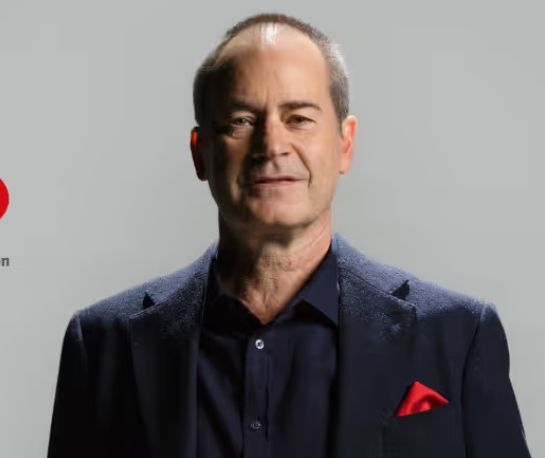
Fire testing laboratories are facing increasing pressure to comply with a growing number of international standards while maintaining operational efficiency, accuracy, and cost control. Traditional single-purpose furnace setups often limit testing capability, increase downtime, and reduce overall laboratory productivity.
This presentation explores the design and implementation of flexible and high-efficiency fire testing laboratories, focusing on furnace systems capable of performing multiple test types within a single infrastructure. The concept of flexibility is defined as the ability to adapt to different fire resistance, reaction-to-fire, and customized testing scenarios without requiring major system modifications.

-
Patrick Murray & Sarath Gopi of SOCOTEC UK & Ireland will present an overview of PAS 9980 and Fire Risk Appraisals. The presentation will include working examples of existing research and discuss the need for further research and testing.
-
How efficient smoke ventilation design can help achieve Gateway Two approval



-
This presentation outlines the vision of a "connectivity utopia" in fire safety management within the built environment. This is a world where connectivity between all stakeholders is seamless, ubiquitous, and effortless, removing physical distance as a barrier to communication and understanding
-
Representation across the fire sector is evolving, but progress requires more than intent. It demands leadership, accountability, and action that delivers measurable outcomes.
This session, supported by the Women In Industry Network, highlights how organisations are turning conversations about culture and representation into real-world results. Panellists will share concrete strategies for improving leadership behaviours, workplace culture, recruitment, retention, and career progression, showing what is truly working -and where challenges remain.
Attendees will leave with a clear understanding of the practical steps leaders are taking to drive change, and how these decisions impact workforce performance, decision-making, and long-term sustainability across the sector.
-
The presentation aims to put some context to the issues which commonly arise and to discuss where the Clear Book can help to clarify some key areas of specification of fire-resisting glazing which are commonly misunderstood from the selection of the right glass type, to the interchangeability of door hardware versus fire door type and the key aspect of supporting construction and whose evidence is relevant.
-
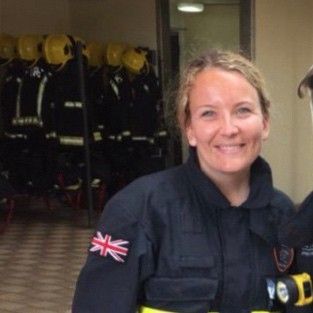
The fire safety industry is evolving - with rising standards, increased regulation, and growing expectations. But how do we move beyond compliance to truly deliver safer outcomes? In this session, Angela Bennett, CEO of Diamond Systems, explores the role of leadership in driving that shift. Introducing a practical framework built around Future, Influence, Responsibility and Excellence (FIRE), Angela shares how vision-led leadership can raise standards across organisations and the wider industry. This talk challenges leaders to think beyond “good enough” - and consider what it really takes to deliver excellence in fire safety.




-
Waking Watch was introduced as a temporary fire safety measure where immediate risk mitigation was required and no common alarm system was available. However, delays to remediation have meant that many higher-risk residential buildings have relied on Waking Watch far longer than originally intended.
This educational session explains the purpose of Waking Watch, the regulatory and compliance considerations surrounding its use, and the challenges of maintaining it over extended periods. It will also explore how certified wireless fire detection systems can provide a compliant alternative, helping responsible persons and managing agents transition away from Waking Watch while improving resident safety and reducing long-term costs.

-
Warehouses and logistics facilities present unique detection challenges: high ceilings, long aisles, complex racking, variable airflow and fast-moving operations. Smoke can stratify or dilute before it reaches traditional detection, while maintenance access at height and the operational impact of unwanted alarms makes technology selection critical.
This session provides a practical, application-led overview of the main detection options used in W&L environments, optical beam smoke detection, aspirating smoke detection (ASD), flame detection and linear heat detection. We’ll cover where each technology performs best, common pitfalls, and how to combine approaches to improve resilience without overcomplicating designs.
Using a real W&L distribution-centre case study, we’ll show how a blended approach can reduce devices at height, simplify maintenance and deliver dependable early warning across open areas, localised risks and challenging layouts.
Attendees will leave with clear takeaways to help specify the right detection mix based on storage type, environmental conditions and operational priorities, plus pointers to supporting guidance and resources for design and specification.
-
With an ageing workforce and increasing regulatory expectations, supporting the next generation of fire safety professionals has become a critical priority for the industry.
This session, in support of our next-gen network ambassador programme, will take a practical, structured look at how individuals enter the sector, and what is needed to attract, develop and retain new talent. The panel will begin by sharing first-hand experiences of entering the industry, before exploring how fire safety can be made a more visible and appealing career choice for young people.
The discussion will then move into key entry pathways, including apprenticeships and agency routes, and how these operate in practice for roles such as fire risk assessors, for example. From there, the session will address the main barriers to entry, including training costs, time to competence and commercial pressures, while also considering how competence, compliance and safety standards can be maintained from the outset. Finally, the panel will look ahead to what the industry needs in practice to better support the next generation, and how organisations can create clearer, more sustainable pathways into fire safety careers.
Chairperson




-
This panel brings together industry experts from the FIA Engineering Council to explore how the Gateway Process is being applied in real-world projects. This panel discussion will examine practical experiences, common challenges, and lessons learned across the sector, offering insight into how the process is improving safety, accountability, and compliance within the built environment.


-
In this forward-looking session, Dave White, Chairman of the Institute of Fire Safety Managers, and Dr Robert Docherty, President of the Institute, explore what the future holds for Fire Risk Assessors and how individuals and organisations can position themselves for long-term success.


-
As a building owner in the UK or Europe, ensuring your fire detection systems meet EN54 standards isn't just about regulatory compliance - it's about implementing proven, life-saving technology that forms the backbone of modern fire safety.
The EN54 series represents the gold standard for fire detection and alarm systems across Europe, establishing rigorous requirements that building owners must understand and implement to protect occupants and assets.
Following tragic incidents like the Grenfell Tower fire, regulatory focus has intensified on fire detection systems, with enhanced scrutiny of EN54 compliance and stricter enforcement of inspection requirements. This session will help you navigate the complex landscape of EN54-compliant fire detection systems and understand your obligations as a building owner.

-
Today’s fire & compliance tech stack is evolving fast. Connected panel data, mobile servicing, digital records, and job management need to work as one. In this session we’ll map the modern stack and show how Nimbus captures verified servicing outcomes, Dokkit brokers and delivers the integration, and Simpro turns results into actionable workflows (defects, remedials, reporting & asset synchronisation).
The outcome: less re-keying, faster quoting, and a stronger golden thread.


-
The presentation will explore the incentivisation of increased fire safety to satisfy insurance requirements. It will include a look forward to the concept of building parametric insurance and what changes that could bring.
-
The fire safety profession stands at a pivotal moment. In the wake of sweeping reforms and new regulations driven by the Grenfell Tower Inquiry Phase 2 recommendations and the evolution of the Building Safety Act 2022, professional standards in fire engineering are undergoing a fundamental change. With the landscape shifting and new regimes introduced, expectations for accountability and technical competence are rising across the built environment.
This session will explore what these shifts mean for professional standards, the future skillset of fire professionals, and how practitioners can prepare for the next phase of regulatory and cultural change.
-
This session explores the critical role of professional standards in ensuring safety, quality, and accountability across the industry. It highlights the importance of developing and maintaining competence at all levels, while adhering to evolving regulatory and compliance frameworks. The session will focus on best practices, challenges, and practical approaches to strengthening skills, improving performance, and fostering a culture of continuous improvement.
-
The ASFP first published this Guide in 2012 after certification bodies identified gaps in Passive Fire Protection (PFP) knowledge among fire risk assessors. It went on to become one of the Association’s most downloaded resources.
Following the Grenfell Tower fire in 2017 and subsequent legislative reform, particularly for Higher Risk Buildings, the Guide has been revised to reflect significant changes in fire safety law.
While retaining its three core sections - regulatory principles, assessment procedures for PFP, and technical annexes - the updated edition reflects the Fire Safety Act 2021, the Fire Safety (England) Regulations 2022, and the Building Safety Act 2022.
Key additions include enhanced fire door checks, guidance on assessing external wall systems, and a new annex on external wall construction, ensuring the Guide aligns with current regulatory expectations.


-
Tom will take you through the process of developing an Extended Field of Application report and the benefits of starting the process early ahead of the 2029 regulatory changes.
-
Requirements when Conducting Site Visits from a Fire Strategist and a Fire Risk Assessor Perspective
This presentation outlines the key requirements when conducting site visits from both a Fire Strategist and Fire Risk Assessor perspective. It focuses on a structured and practical approach, beginning with the importance of a meet-and-greet with the Responsible Person to gather relevant information about the building, its use, and existing fire safety measures.
The session then explores how to carry out a thorough site walk-around, identifying critical fire safety features, potential risks, and compliance considerations. Finally, it highlights best practices for conducting an audit, ensuring that findings are recorded and aligned with current fire safety legislation and guidance.
-
This panel explores the critical role of multidisciplinary collaboration in delivering safe, compliant, and high‑quality housing projects, with a particular focus on fire safety. Housing developments rely on the coordinated efforts of designers, main contractors, specialist subcontractors, and fire safety professionals to ensure that systems such as fire alarms, fire doors, passive fire protection, and sprinklers function as a fully integrated solution rather than isolated components.
Drawing on real‑world project experience, panellists from different contractor disciplines will discuss common challenges that arise when coordination breaks down—such as design clashes, late changes, unclear responsibilities, and installation sequencing issues—and the potential impact these can have on building safety, compliance, and resident confidence. The discussion will highlight the importance of early engagement, clear communication, and shared accountability across design, construction, and commissioning stages.
The session will also examine best practice approaches to collaboration, including coordinated design reviews, consistent information flow, and a strong understanding of how fire strategies are translated into practical on‑site delivery. Ultimately, the panel will demonstrate that effective multidisciplinary collaboration is not just a contractual or procedural requirement, but a fundamental element in delivering safe homes and maintaining trust in the housing sector.



-
With the rise of digital technologies, remote connectivity, and disturbance free testing the life of a fire engineer is rapidly changing. Sandro will explain how the adoption of these technologies support the industry in overcoming skill gaps, improving efficiency, traceability, and sustainability. Modern devices with smoke entry supervision allow constant verification of detector availability as well as faster and more frequent automatic testing.
-
The publication of the long-awaited standard for the assessment of fire risk assessor competency: BS 8674:2025 saw the government take significant strides towards meeting the recommendation in the Grenfell Tower Inquiry Phase 2 report to “establish a system of mandatory accreditation to certify the competence of fire risk assessors by setting standards for qualification and continuing professional development and such other measures as may be considered necessary or desirable”.
In this session, FPA Chief Executive Dr Gavin Dunn will provide an overview of BS 8674:2025 and the changes implemented to improve the competency of fire risk assessors, the level of detail and comprehension required for fire risk assessment, and why fire risk assessments need to be a holistic and active document in place throughout the lifespan of a building.
With the Government in England having confirmed that mandatory competence requirements for fire risk assessors will be introduced and independently verified by UKAS-accreditation certification bodies, Gavin will also highlight the importance of fire risk assessors having a clear route to third party certification.
Speakers

-
An insight into developing future fire and building safety professionals in response to sector wide skills shortages, increasing regulatory demands, and the need for long term resilience. This session will outline talent development and will highlight why building a diverse, future ready workforce is essential to meeting the challenges of the new building safety landscape.

-
UKTC's Head of Testing, Daniel Fitzsimmons will deliver live commentary of a fire resistance test. The doorset test will provide a real insight of the operations of a fire resistance laboratory.

-
The challenge facing most organisations is not a lack of data, but that it is fragmented across multiple systems. Fire risk assessments, building information, maintenance records and compliance data are rarely connected, making it difficult to access reliable information and demonstrate control.
This session will explore how connecting fire safety systems with wider building and asset data creates a usable golden thread. It will focus on improving data accessibility, supporting the building safety case and reducing reliance on incomplete or inconsistent records. -
This session explores how LiDAR scanning can be used to rapidly create pinpoint accurate digital maps of buildings, and how AI can then identify and classify assets within those spaces. For fire safety professionals, this opens up smart asset identification, verification, and ongoing management, creating a digital twin of the life safety equipment contained in any premises.
The presentation will show how combining building scans with AI-driven recognition can improve visibility of asset location, support more reliable records, and reduce the time and manual effort needed to survey sites. It will also examine the operational value for inspections, compliance checks, maintenance planning, and the creation of a living asset record that can be updated as buildings change. -
Fire safety's data future is being written now. The Building Safety Act demands digital data sharing, but the infrastructure doesn't exist yet. Other industries solved this years ago. In this session, Tom Simmonds (CEO, Allsaved) and Adam Richardson (CEO, gecco) explore what fire safety can learn from sectors, where open data standards grew markets and protected competent operators. Includes a live demonstration of what connected fire safety data makes possible with AI today. Not a sales pitch. An industry conversation
-
- Fire curtains must not only meet standards, they must be proven to meet them, at every stage.
- Documentation, traceability and professional competence are now as important as product certification.
- The current challenges concerning fire curtain certification



-
Fire Safety in External Wall Facades - presented by Partel. This session explores the critical role external wall facades play in overall building fire safety. Learn about key risks, regulatory considerations, and best practice solutions for designing and installing safer facade systems to help prevent fire spread and improve building performance.

-
Delve into the various causes of roof fires, inherent risks associated with the installation of commonly used flat roofing systems.
This session is tailored for architects, specifiers, and stakeholders involved in the build, refurbishment or management of flat roofs. Equipped with essential knowledge and strategies for mitigating the risk of fire in flat roofing systems.
Key Learning Outcomes
An overview of roof fire causes, including commonly used systems installation risks.
- Understanding of the Regulatory Landscape and The Building Safety Act, ensuring compliance and safety in roofing projects.
- Gain insights into the workings of BS EN 13501-5, TS1187 Test 4 and the significance of BroofT4 certification when evaluating roofing materials’ fire performance.
- Understand the pivotal role of third-party accreditation in ensuring quality, reliability, and compliance within the roofing industry.
- Discover the benefits of collaborative engagement with manufacturers to optimise the specification process, ensuring seamless project execution.
-
This presentation explains how the growing use of artificial intelligence in professional and technical services is changing risk exposure, particularly within professional indemnity insurance.Through practical examples and case studies, it demonstrates how good governance, clear review processes and maintaining human accountability allow firms to benefit from AI while managing liability risk. The key message is that innovation remains insurable, but professional judgement must remain central to decision-making.


-
This session will take you through Fire Test Reports and how to interpret and act on both test and classification reports, giving you the tools to understand and identify what matters most.

-
Organised by the FPA, this engaging panel session will tackle industry concerns around fire safety in modern methods of construction (MMC). The discussion will consider gaps between innovation and safety systems in the construction sector, including best practice challenges in the MMC industry and the need for fire safety to be on the agenda across all sectors.
Panellists will also discuss the danger of MMC fire risks being treated the same as those in traditional construction, particularly given the reliance on contractors to ensure fire stopping measures are installed correctly once materials are taken on-site.


-
Producing a fire strategy is no longer just about technical knowledge. Doing it effectively requires digital tools that create a strong, reliable foundation for clients and future assessors to build upon. Used poorly, software can lead to generic, over-simplified outputs. Used well, it enables clear, professional documentation and creates a structured, data-driven foundation for risk assessors, surveyors, and building managers.
In this practical 30-minute session, we’ll explore how software can be used to produce accurate, defensible documentation, alongside clear, consistent and concise strategies that support real-world use. The session will focus on a ‘capture once, use everywhere’ approach: connecting disparate data inputs, from routine equipment checks to detailed engineering surveys, into a single, coherent building narrative.
Ideal for engineers and consultants looking to improve both the quality and efficiency of their fire strategies.

-
This is a session fire safety providers cannot afford to miss.
Be among the first to hear the findings of independent research commissioned by NSI and BAFE into how Responsible Persons and Duty Holders are changing the way they buy fire safety services.
Based on insights from decision-makers across the UK, the study reveals a market undergoing significant change. Expectations are rising, scrutiny is increasing and buyers are becoming far more focused on how competence is demonstrated.
The research uncovers surprising findings about:
- · The hidden gap between what buyers say they value and what they actually check
- · The growing importance of independent certification as a signal of trust
- · How changing expectations could reshape the competitive landscape for fire safety providers
Bonus: Pick up a limited printed copy of the report at the talk or from the NSI stand in The Fire Safety Event (4/H100).
-
This major update of the ASFP Purple Book strengthens its focus on the design of fire-resisting partition walls, recognising that their performance is determined long before installation begins. It provides clearer guidance on the selection, coordination, and integration of partition systems with services, doors, structure, and supporting fire-stopping - all aligned with tested evidence.
The revised document supports a structured, auditable route from design intent through installation to long-term fire performance, reducing reliance on site-based correction and unsupported assumptions.



-
Water damage is one of the most common causes of insurance claims across multiple sectors in the UK, from leisure, retail, hotels and restaurants, communication sites, utilities infrastructure, power generation and data sites, right through to cultural and heritage sites, hospitals, healthcare centres and education to name but a few.
It can occur for a variety of reasons, ranging from natural disasters such as flooding and storms to simple plumbing issues like leaky pipes and malfunctioning air-conditioning systems, particularly when they fail to regulate humidity levels, leading to condensation or the formation of ice.
Whatever the cause, the damage can be significant, resulting in costly repairs and disruptions to business operations and almost every building in the UK is at risk. Claims of this nature are consistently one of the most expensive, costing insurers an estimated £1.8m a day, and worryingly are on the rise.
If you are a facilities manager or building owner who would like to reduce the risk water damage to both your building and insurance premiums then join this talk with Martin Green to understand the practical action you can take.
-
Whilst major fire incidents in data centres are infrequent, the consequences can be severe. This presentation will examine how conformity assessment certification of fire protection products and systems, supports mission continuity for critical digital infrastructure.

-
A BRE lead collaborative research project established to identify the specific causes and consequences of solar PV related fires and propose a selection of recommendations and solutions to reduce the risk of these in the future.

-
This session explores how fire detection strategies are evolving to meet the demands of modern high risk and hard to protect environments. It examines where traditional smoke and heat detection methods can struggle, particularly in areas affected by height, airflow, contamination, extreme temperatures, or maintenance constraints, and introduces alternative detection approaches designed to address these challenges.
Attendees will gain a clear and practical understanding of video based fire detection principles, including how flame detection differs from smoke and heat technologies, and the types of environments where visual detection can offer meaningful benefits. The session also provides an overview of the LPS1976 standard, explaining why it was developed, how it is tested, and its role in supporting confident specification of video flame detection as part of a compliant fire strategy.
Key considerations from current fire design guidance, including BS 5839 1 2025, are referenced to help connect emerging technology with real world system design. The talk concludes by aligning common site challenges with appropriate detection approaches, enabling specifiers, installers, and end users to make informed and standards led decisions without focusing on any single product or manufacturer.
-
BS 8644‑1:2022 marks a pivotal shift in how the UK manages fire safety information—establishing a robust, digital “golden thread” that follows a building from design, installation, asset in use and end of life. Born from the lessons of the Grenfell Tower inquiry, this standard is designed to ensure that duty‑holders, building owners, and emergency services have instant access to accurate and trusted fire safety data when it matters most.
In this session, Tom Ford from Honeywell Fire’s specification team will explore how embracing digital technologies is no longer optional but essential. He will discuss how digital transformation strengthens compliance, elevates industry practice, and drives meaningful innovation across the fire safety landscape.
-
With the introduction of the Fire Safety (Residential Evacuation Plans) (England) Regulations 2025, new expectations around Residential PEEPs (RPEEPs) and Person-Centred Fire Risk Assessments (PCFRAs) are creating significant practical and legal challenges for duty holders.
This panel brings together perspectives from managing agents, consultants and enforcement to explore what effective implementation looks like in practice. Discussions will examine ongoing confusion around responsibility between Responsible Persons, managing agents and accountable persons, and how this is playing out across residential portfolios.
Key themes will include how organisations are preparing for these changes in real terms, from staff competence and system readiness to client engagement and market capacity. The panel will also explore the financial and operational implications of delivery, including funding routes, cost responsibility and the pressures of scaling consistent approaches.
Further discussion will address the competence required to undertake PCFRAs, the challenges of assessing vulnerability in the absence of full information, and the potential gaps between legislative intent and practical delivery.
Attendees will gain a clearer understanding of where responsibility sits, what “readiness” really looks like, and how to navigate the complexities of delivering RPEEPs in a way that is both practical and defensible.




-
Andrew Hutchison will explore the importance of third-party certifications, the pitfalls of legacy schemes and what real change looks like with UKTC ensure.
-
Exploring cavity fire risks in existing UK buildings - how they develop, why they are dangerous and how modern remediation solutions, including Injectaclad, can address them.

-
This panel will explore the current state of maintenance reporting across the fire industry, alongside ongoing work within the FIA to gather data on how reporting is carried out in practice. Bringing together industry experts, the session will examine existing approaches, key challenges, and early insights emerging from this project. The panel will provide perspective on regulatory expectations, consistency in reporting standards, and the role of accurate documentation in supporting compliance, safety, and client confidence. It will also consider how findings from the FIA's data-gathering initiative may help inform future guidance, improve consistency, and shape more effective and transparent maintenance reporting across the sector.



-
The Building Safety Act 2022 and the subsequent amendments to Building Regulations 2023 put in place requirements for both individuals and organisations to prove competence. The challenges faced as the Sector implements the competency framework by companies, association, institutions and inspectorates are addressed


-
Fire safety performance is often specified based on individual construction elements performance, yet the greatest uncertainty frequently occurs at the interfaces between these systems. This session examines why construction junctions are critical to effective compartmentation and overall building safety, and how assumptions at these interfaces can compromise fire performance.
Drawing on in-house technical expertise and British Gypsum’s first evidence based Fire Rated Junctions programme, the presentation highlights how bespoke fire testing has been developed to address a long standing industry gap and provide confidence through tested solutions.
Attendees will gain practical insight into validated junction details, evolving test methodologies and how performance led detailing can support compliance, confidence, and safer buildings in a post Building Safety Act environment.Speakers -
Hosted by RiskBase, this session is designed to inspire and inform the next generation of fire safety professionals.
Bringing together exhibitors and individuals interested in apprenticeships, the session will provide a practical overview of the fire safety sector, highlighting career pathways, training opportunities, and the benefits of earning while learning in a high-demand industry. While primarily aimed at apprentices, students, and early-career talent, employers are also encouraged to attend to better understand the evolving talent pipeline and apprenticeship options.
Following the session, attendees will be guided to the Networking Café for an informal networking opportunity with industry professionals. With encouragement to connect directly with employers, this session aims to bridge the gap between emerging talent and the sector - helping young people build confidence, spark conversations, and potentially open the door to future career opportunities.





-
Join an expert led panel exploring how connected fire detection systems are transforming safety within homes and providing greater peace of mind. Featuring industry insight from Aico alongside real world experiences from clients managing large scale installations.
Chairperson -
With a more stringent regulatory regime across the housing sector, its important to make sure you know your risks and how to mitigate or manage them. In a new regime where the focus is on the regulatory approach and culture change, how do you cut through the noise and make sure your residents are safer. This session will explore the building ecosystem and the best approach to ensure we do not forget about the human impact, alongside the competence backdrop to ensures you know your risks and are managing or mitigating them to ensure residents are safer.
-
This presentation showcases how innovation and technology are transforming fire safety through smarter detection, connected systems, and advanced suppression methods. It outlines the shift toward multi-sensor detectors, integrated emergency systems, and modern suppression solutions such as misting and aerosol technologies. A key theme is the use of real-time data and predictive insights to enhance system performance, reduce false alarms, and strengthen compliance, ultimately enabling more efficient, reliable, and accountable fire safety management
-
The session will explore regulatory topics in areas that come under the proposed Single Construction regulator – Building design and control construction product testing and assessment, and the competence of all those working in the construction industry.







-
This session will explore the latest trends influencing system design, performance, and compliance. Topics include the growing challenge of lithium ion battery fires, the protection of high value environments such as data centres, and the accelerating shift toward environmentally responsible solutions. It will also examine the impact of tightening regulations, from the phase down of firefighting foams to the implications of the European F Gas Regulation, and how industry is responding with innovation and new best practices.



-
Follow a product's journey towards achieving a reaction to fire BS EN 13501-1 classification. Learn how to read and understand a products classification directly from the team that run the UKTC reaction to fire laboratory.
-
The key changes to smoke ventilation introduced in BS 9991:2024.
-
Ensuring the safety of employees and safeguarding assets in hazardous environments demands a meticulous understanding of fire safety regulations and advanced technological solutions.
In this session, we delve into the critical realm of fire safety regulations and devices specifically designed for high-risk workplaces.
Navigating the complex landscape of stringent guidelines and innovative safety technologies, this piece sheds light on the latest developments and best practices.
From compliance requirements to state-of-the-art fire detection devices, we explore how businesses can stay ahead in safeguarding their operations and personnel from the ever-present threat of fire.
-
As an industry we need to learn correct terminology and understand the classification descriptions to ensure we are selecting and installing Fire dampers and Smoke control dampers suitable for the performances we require.


-
This presentation explores how resilience thinking is reshaping the role of fire safety within a broader, converged approach to protection'highlighting the need for integrated solutions, cross-sector collaboration, and a lifecycle approach to safety and security.

-
Fire risk assessors are facing criminal prosecution, with outcomes often hinging on documentation, interpretation and the availability of evidence. This raises fundamental questions around where responsibility sits, how decisions are made under scrutiny, and how consistently enforcement is applied in practice.
Drawing on direct conversations with assessors who have been subject to criminal charges, this session will explore how these cases actually unfold. It will examine whether prosecution is fast becoming an occupational hazard, whether this level of exposure is even insurable, and what is required to build a genuinely defensible position when decisions are challenged, sometimes many years after the original work was completed.

-
This seminar introduces the FIA Sustainability SIG and its role in helping the fire safety sector address growing sustainability demands. It explores key challenges, priorities such as Net Zero and circular economy, and the practical tools and collaborative support available to help organisations integrate sustainability while maintaining high safety standards.
-
This RIBA accredited CPD course outlines what the Golden Thread is and importantly why it was introduced:
- Understand how it has influenced changes in legislation.
- Discover more about its impact on stakeholders throughout the entire lifecycle of a building.
- Gain a better understanding of how incorporating digital platforms can make the specification process easier.
-
The tests for the verification of the light and sound outputs follow a well-defined procedure in the standards. This presentation dives into the fundamentals behind these tests: the EN54-23 coverage volume test and the EN54-3 operational performance (sound pressure level) test.



-
The panel will discuss what a strong Gateway submission looks like, what key elements need to be considered early in the design and construction process and common reasons why Gateway 2 and Gateway 3 submissions are rejected or delayed. They will share their thoughts on competence, the importance of collaboration and the management of golden thread information, including the role that digital platforms and BIM can play.
Chairperson



-
The Building Safety Act has fundamentally changed expectations around competence, accountability, and demonstrable compliance within the built environment. While much attention has been given to design and installation, ongoing maintenance of life safety systems is equally critical.
SMR 01 is a third-party certification scheme developed specifically to assess the organisational and engineer-level competence of smoke control maintenance providers. The scheme introduces structured site inspection audits, technical scrutiny, and proportional oversight aligned to the size of the organisation.

-
UKTC's Head of Testing, Daniel Fitzsimmons will deliver live commentary and insight of a fire resistance test. The doorset test will provide a real insight of the operations of a fire resistance test.
-
This session explores the key updates in BS 8214:2026 and their impact on fire door specification, installation, and maintenance. Featuring perspectives from both steel and timber door sectors, it offers practical insight into how the changes affect compliance, standards, and real-world application across the industry.



-
This panel cuts through common misconceptions surrounding fire risk assessment, separating fact from fiction. Led by the FIA Risk Assessment Council, industry experts will challenge widely held myths, clarify legal responsibilities, and share practical insights on what effective risk assessment really looks like in today's regulatory landscape.
-
This seminar will present the findings of new national research into fire door safety across social housing, offering the first comprehensive snapshot of compliance since mandatory inspections were introduced. Drawing on data from the majority of England’s local authorities, it highlights key gaps in inspection, performance and remediation.
Attendees will gain practical insight into the challenges affecting delivery on the ground, alongside clear recommendations to help strengthen fire door safety programmes and ensure regulatory requirements are consistently met in practice.



-
What is a pressure differential system and how does it compare to other smoke ventilation systems? PDS criteria to meet in buildings and when to use a PDS.

-
This presentation explores the evolving fire safety landscape in the UK following regulatory changes such as the Building Safety Act, highlighting increased accountability for individuals and organisations. It focuses on advancements in passive fire protection, including modern fire door design, improved firestopping materials, and smart ventilation systems. The talk also emphasises the growing role of digital tools like BIM modelling and data-driven compliance systems to ensure accurate installation, ongoing maintenance, and a verifiable “Golden Thread” of safety information across complex building portfolios.
-
The presentation will explore emerging industry guidance on competence for both organisations and individuals, in line with legislative and regulatory requirements. This will include recent developments for installers, designers and specifiers of fire resisting ductwork and dampers.
-
This engaging panel discussion brings together leading voices from the Fire Rescue Equipment Suppliers (FRES) Council to explore the most pressing challenges and emerging trends facing the sector today. From innovation in equipment and evolving safety standards to supply chain pressures and future readiness, the session will provide valuable insights and practical perspectives.



-
Lithium-ion batteries are now found in everyday homes - powering e-scooters, e-bikes, and other devices - but they bring serious fire risks if not managed properly. This practical session will explain how lithium-ion battery fires ignite, including issues related to the use of conversion kits and how fire can spread through thermal runaway, with real-world examples of common causes. We will share strategies for educating residents on safe storage and charging practices and establishing effective building policies and preparing for forthcoming regulation. Attendees will leave with actionable steps to reduce risks, protect residents, and build safer homes.

)
)
)
)
)